
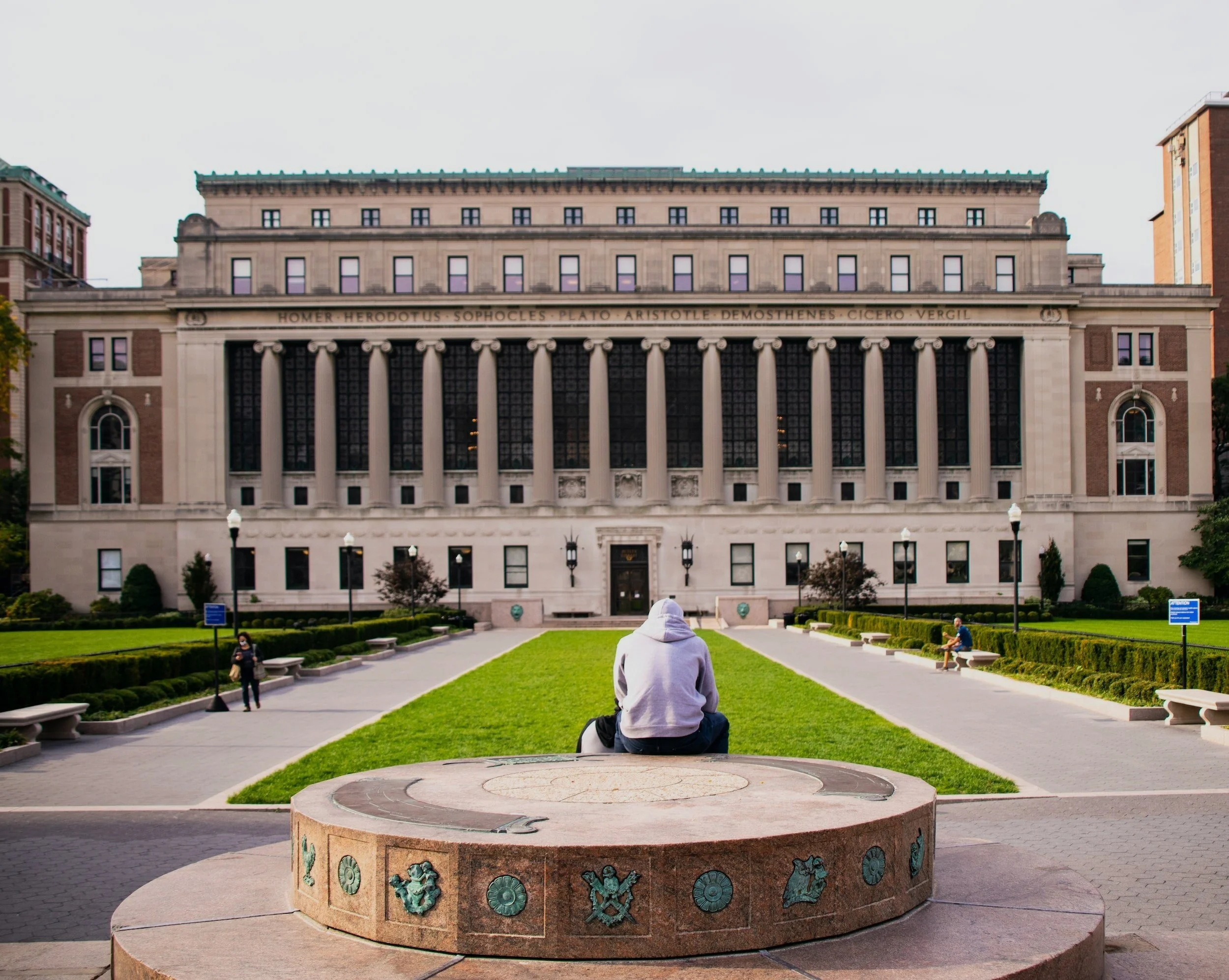
Whether you're starting a career in climate, hiring talent, or building on the latest research, Boston's universities are the place to start.
Massachusetts Institute of Technology, Harvard, Tufts University anchor the region's climate research and feed talent into the industries doing the work. Read on for a starter guide to the major programs and centers.
Massachusetts Institute of Technology
MIT Sandbox Innovation Fund
MIT Sandbox is the entry-point venture program for any MIT student, providing non-dilutive, milestone-based seed funding plus mentorship from experienced founders and tailored entrepreneurship education. It is open at any stage, runs across fall, spring, and summer, and is not a competition, so hundreds of teams take part. It takes no equity. Suits MIT-affiliated student founders testing an early climate idea who want non-dilutive money and coaching.
MIT delta v
MIT delta v is the Institute's capstone student accelerator, a full-time, in-person summer cohort run by the Martin Trust Center that ends in Demo Day, with equity-free milestone funding and student fellowships. It uses MIT's disciplined-entrepreneurship framework, entrepreneurs-in-residence, and mock boards, and is highly selective, admitting only a fraction of applicant teams. Founder and operator partners add hands-on mentorship. Suits MIT student teams ready to go full-time and launch by the end of summer.
MIT Energy Initiative
MITEI is MIT's member-funded energy research hub, not a dedicated accelerator, but it offers founders real routes in through its startup-member class and seed fund, which give energy startups access to MIT labs, talent, and sponsored research to clear technology hurdles. It is best used to de-risk capital-intensive energy technology alongside MIT researchers rather than as a cohort program. Founders seeking structured acceleration route to delta v, Sandbox, or The Engine. Suits capital-intensive energy startups, often MIT-linked, needing sponsored research and lab access.
Harvard
Climate Circle Accelerator
Harvard’s Climate Circle Accelerator is a selective, year-long program for Harvard-affiliated climate ventures, run with the business school and alumni climate network, offering coaching, pro bono legal counsel, negotiations advising, warm industry introductions, and a peer cohort, all free and without equity. A distinctive first-customer program lets ventures pilot and sell to Harvard operations, using the campus as a living lab. For-profit and nonprofit ventures are welcome, with a resilience and adaptation track added. Suits Harvard founders and alumni with early traction such as users, IP, or partner agreements.
Salata Institute for Climate and Sustainability
Harvard's Salata Institute is a climate and sustainability research institute funding faculty-led research clusters and education, not an early-stage founder program. Its value to founders is research, expertise, and credibility rather than a cohort, grants, or lab space. Founders route to Harvard Innovation Labs and its Climate Circle for actual venture support. Suits founders wanting a Harvard research or talent partner, with the i-lab as the accelerator door.
Sustainability Science Program
The Sustainability Science Program at Harvard Kennedy School is a research and fellowship program linking science to policy for sustainable development, not a startup program. Its value is policy research, fellowships, and networks rather than venture support. Founders route to Harvard Innovation Labs and Climate Circle. Suits researchers and policy-minded founders, with the i-lab as the founder-facing vehicle.
Harvard University Center for the Environment
The Harvard University Center for the Environment coordinates environmental research and graduate fellowships across Harvard, a research center rather than a founder program. It offers expertise, talent, and research collaboration, not a cohort or capital. Founders route to Harvard Innovation Labs and Climate Circle. Suits founders wanting a Harvard environmental research partner, not acceleration.
Tufts University
Offshore Wind Energy Engineering
Tufts' Offshore Wind Energy Engineering is a graduate engineering education and research track, not a startup program, valuable as a source of offshore-wind talent and technical expertise. Founders needing funding or testbeds route to MassCEC and Greentown Labs. It suits companies wanting deep offshore-wind engineering capability and hires. Suits offshore-wind founders seeking technical talent and research partnership rather than acceleration.
Boston University
Institute for Global Sustainability
Boston University's Institute for Global Sustainability is a research institute convening sustainability and energy-policy research and events, not an early-stage accelerator. Its value is research, convening, and policy expertise rather than a cohort or capital. Founders route to BU's broader entrepreneurship resources and MassCEC. Suits founders wanting a sustainability-policy research partner, not venture support.

Northeastern University
Global Resilience Institute
Northeastern's Global Resilience Institute is a research institute focused on societal resilience to climate and other shocks, not a founder program. Its value is resilience research and expertise rather than a cohort or capital. Founders route to Northeastern's IDEA venture accelerator and MassCEC. Suits adaptation and resilience founders wanting a research partner, with IDEA as the venture door.
UMass (Amherst / Lowell)
Wind Energy Center
UMass's Wind Energy Center is one of the oldest US university wind-energy research and education centers, a source of technical expertise and testing rather than a startup program. Founders needing funding, testbeds, or incubation route to MassCEC and the UMass Lowell iHub. It suits wind and offshore-wind founders wanting deep technical capability and validation. Suits wind founders seeking research partnership and testing, not acceleration.